
iGaming Uncovered: Slots, Poker & Betting Strategies That Work
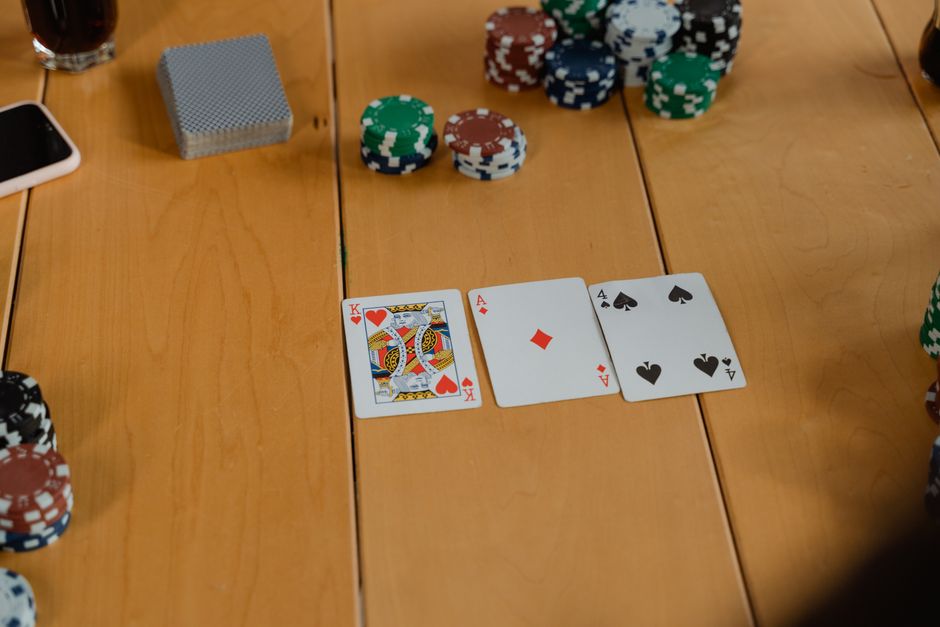
Ever wondered why some players consistently walk away with profits while others bleed their bankrolls? It's not luck. It's a mix of game selection, bankroll management, and understanding the math behind the glitz. After a decade of grinding online casinos and poker rooms, I've distilled the essentials into this guide. Whether you're spinning slots, bluffing at the felt, or betting on sports, these insights will tilt the odds in your favor.
Slots: More Than Just a Pretty Spin
Slots are the casino's cash cow, but that doesn't mean you can't find an edge. The key is volatility and RTP (Return to Player). Most players ignore these two numbers, yet they dictate your session's rhythm and long-term results.
RTP is the percentage of all wagered money a slot pays back over time. A 96% RTP means for every $100 bet, the machine returns $96 on average. But that's over millions of spins—your session could be wildly different. Volatility refers to risk: high-volatility slots pay rarely but huge; low-volatility slots pay frequently but small.
Here's a concrete tip: If you have a $100 bankroll and want to play for a few hours, choose low-volatility slots like Starburst (RTP 96.1%) or Blood Suckers (RTP 98%). If you're chasing a jackpot with a small budget, high-volatility slots like Book of Dead (RTP 96.2%) can drain you fast—but the potential is massive. Anyone weighing up options should see SHBET.
- Always check the RTP in the game's info screen. Anything below 95% is a rip-off.
- Use free spins wisely: They often come with wagering requirements. Read the fine print.
- Set a loss limit before you spin. The house edge is real; don't chase losses.
Don't fall for the "due for a win" fallacy. Each spin is independent. The machine doesn't remember you.
Poker: Where Skill Beats Chance
Unlike slots, poker is a game of skill. The house takes a rake, but your opponents are the real target. If you're consistently losing, it's not bad luck—it's bad decisions. Let's fix that. SH BET goes into the finer points.
Bankroll Management: The Unsexy Hero
You've heard it before, but it bears repeating: never buy into a game with more than 5% of your total poker bankroll. If you have $1,000, play $50 buy-in tournaments or $0.25/$0.50 cash games. This gives you 20 buy-ins, enough to weather variance. I've seen too many good players go broke because they took a shot at a $500 buy-in with a $200 roll.
Position and Aggression
Play tight from early position and loose from the button. Why? Because acting last gives you information. In a 6-max game, your win rate from the button should be double that from under the gun. And aggression pays: a 2/3 pot bet on the flop wins more pots than passive calling. Fold equity—the chance your opponent folds—is a weapon.
Example: You hold 7♠8♠ on a 9♣T♣2♦ flop. You have a gutshot and backdoor flush. A semi-bluff bet here forces folds from weak pairs and Ace-high, and if called, you still have outs.
Sports Betting: Think Like an Investor
Sports betting is not about picking winners; it's about finding value. The bookmaker sets odds to balance action, not to predict the future. Your job is to identify when the implied probability is lower than the true probability.
Consider this: A team is +150 underdog (implied probability 40%). If you believe their true chance is 45%, that's a value bet. Over 100 bets, you'd profit. But if you bet on favorites just because they're "better," you'll lose to the vig—the bookmaker's commission.
- Line shopping: Always compare odds across multiple sportsbooks. A half-point difference in spread can turn a loss into a win.
- Bankroll units: Bet 1-2% of your bankroll per game. Never chase.
- Specialize: Focus on one league or market (e.g., NBA totals) and become an expert.
Data is your friend. Use sites like Football Outsiders or KenPom for advanced stats, but don't overcomplicate. Sometimes the public is right.
The Psychology of iGaming: Tilt, Tilt, Tilt
Every gambler's worst enemy is themselves. Tilt—emotional decision-making after a bad beat—destroys more bankrolls than bad luck ever will. I've been there: losing a poker hand to a two-outer on the river, then shoving all-in with 7-2 offsuit out of frustration. That's tilt.
Recognize the signs: rapid betting, ignoring your strategy, playing higher stakes than usual. When you feel it, walk away. Take a 24-hour break. The games will still be there.
Another trap: the gambler's fallacy. "Red hasn't hit in 10 spins, so it's due." Wrong. Each spin is independent. The wheel doesn't care about history.
Set strict limits—time, money, and emotional. Use deposit limits if your casino offers them (most regulated ones do). And never play to recover losses. That's a one-way ticket to bustoville.
Legal and Safe iGaming: Don't Skip This
Not all online casinos are created equal. The shady ones delay payouts, void bets on technicalities, or worse—steal your data. Stick to licensed operators regulated by reputable bodies like the UKGC, MGA, or Gibraltar. These casinos must meet strict fairness and security standards.
Check for:
- SSL encryption (look for the padlock in your browser).
- Independent audits (eCOGRA, iTech Labs) for game fairness.
- Clear terms on bonuses and withdrawals. If it's vague, run.
Also, know your local laws. Online gambling is illegal in some jurisdictions, and playing on offshore sites can leave you with no legal recourse. Don't risk it.
iGaming is a marathon, not a sprint. The players who last are the ones who treat it like a business: they manage risk, exploit edges, and control their emotions. Slots are entertainment—never your retirement plan. Poker and sports betting can be profitable if you put in the work. But no matter what you play, never bet more than you can afford to lose. That's the only rule that truly matters. Now go spin, bluff, or bet smart.
